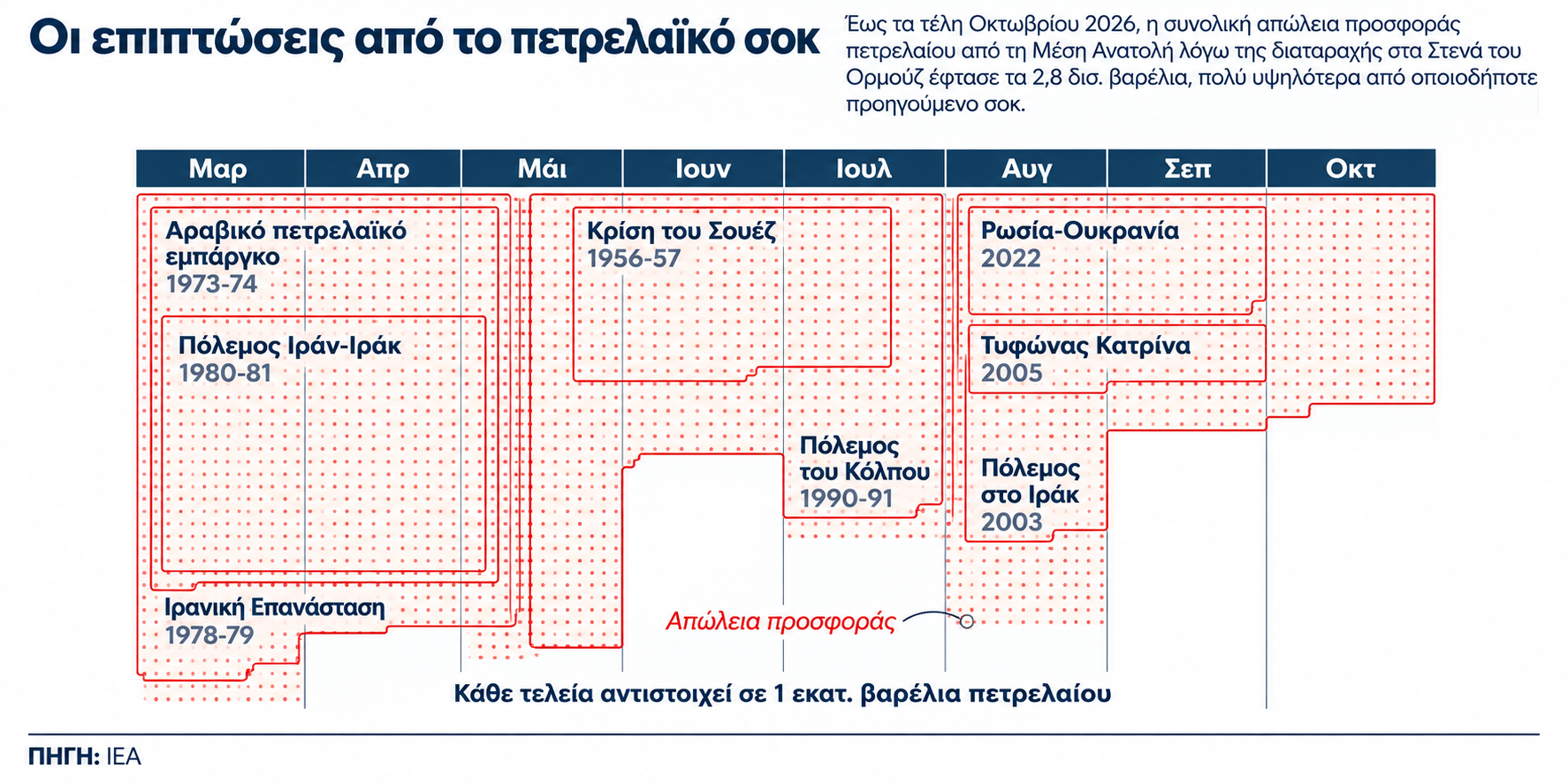
Heraclitus said thousands of years ago: “War is the father of all things.” Today, the supply crisis in the Middle East and the Strait of Hormuz are acting as a catalyst, accelerating the shift to electricity and greater energy efficiency.
Global energy intensity is expected to improve by nearly 3% in 2026, up from about 2% in 2025, the International Energy Agency (IEA) said in its annual energy efficiency report, published as the COP31 summit in Antalya concluded.
The IEA’s executive director, Fatih Birol (pictured), said this year’s crisis had shown how vulnerable economies and households remain to disruptions in fuel markets, urging governments to turn today’s challenges into lasting gains by investing in efficient technologies and electrification.
After the oil shocks of the 1970s, it took a decade for new cars in the United States to use about half as much fuel to cover the same distance, while refrigerators in Japan consumed about a third less energy. Since then, global energy intensity has fallen by 50% and GDP has quintupled.
New targets, commitments and implications
This year’s COP31 conclusions on energy
Energy intensity (primary energy / GDP)
2026 figure / commitment: ~3% improvement in 2026 (up from ~2% in 2025)
Interpretation: Partly linked to constraints caused by the Hormuz crisis, not just technology
COP28 target (global intensity)
2026 figure / commitment: 4% a year by 2030; so far, ~1.5% a year
Interpretation: A gap in implementation relative to the agreed pace
COP31 target (buildings)
2026 figure / commitment: Backing from many countries for an improvement of ≥25% by 2035
Interpretation: Achievable with existing technologies and policies; applies to buildings only
Total demand & GDP
2026 figure / commitment: Demand roughly at 2025 levels, GDP ~+3%
Interpretation: The supply crisis and prices are helping to restrain demand
Oil & natural gas
2026 figure / commitment: Oil demand falling in most regions, gas demand declining globally
Interpretation: Pressure on energy-intensive industries and significant effects across Asia-Pacific
Electricity, EVs & heating
2026 figure / commitment: Electricity demand ~+3.6%; EV charging in China >+50% this year; EU BEVs +50% (Jan–Sep)
Interpretation: Additional oil demand is being restrained; heat pumps + insulation can cut heating bills by up to 90%
Government measures
2026 figure / commitment: ~120 countries overall; >30 with long-term measures (~80% on efficient electrification)
Interpretation: Most measures focused on immediate relief and savings
SOURCES: IEA (Energy Efficiency Report - 2026), COP31
EDITED BY: Euro2day
Total energy demand is expected to remain roughly at last year’s level, while global GDP is forecast to grow by about 3%, as supply disruptions and higher prices stemming from the Hormuz crisis help restrain consumption.
Oil, natural gas and electricity
Oil demand is forecast to fall in most regions in 2026, while global natural gas demand is expected to decline, as energy-intensive industries cut production or change their operations.
In Asia-Pacific, particularly in countries heavily dependent on energy imports from the Middle East, the crisis has caused sharp changes in energy intensity, with households switching cooking fuels and businesses curtailing operations.
By contrast, global electricity demand is expected to rise by about 3.6% this year, driven by the electrification of transport and other end uses, as well as investment in artificial intelligence, data centres and advanced manufacturing.
Electric vehicles, buildings and targets
In China, electricity demand for charging electric vehicles has risen by more than 50% so far this year, while sales of battery-electric cars in the European Union rose by 50% between January and September compared with the same period last year, curbing additional demand for oil products.
About 120 countries took measures to save energy, provide economic relief or strengthen resilience, but more than 30 also introduced long-term efficiency or electrification measures, with nearly 80% of them including actions to promote efficient electrification, mainly electric vehicles and heat pumps.
Combining heat pumps with improved building insulation can cut household heating bills by up to 90%, the IEA said.
Birol’s message and the historical precedent
At COP31, held in Antalya, many countries backed a collective target to improve the energy intensity of buildings by at least 25% by 2035 using technologies and policies already available. The target builds on the COP28 goal agreed in Dubai of improving global energy intensity by 4% a year by 2030; so far this decade, the annual average has been around 1.5%.
“Energy efficiency is one of the most powerful tools countries have to strengthen energy security, lower consumers’ bills and improve economic competitiveness,” said IEA executive director Fatih Birol.