For about 20 years we have been hearing the same narrative. The dollar is about to lose the privilege of being the global reserve currency.The quantitative easing (QE) policy implemented by the Fed after 2008 was supposed to deliver a fatal blow to the dollar. The high annual fiscal deficits of the US were also supposed to dethrone it. Then came countries of the Global South which wanted to de-dollarize and finally the non-pricing of oil in dollars by oil-producing countries.
More recently, the dollar index fell toward 90 points at the beginning of 2021 and rallied in 2022 due to the aggressive interest rate hikes by the Fed in an effort to tame inflation. The index exceeded 114 points in September 2022, which was a 20-year high.
The dollar corrected from 2023 onward, with the result that it closed the previous year near 98 points. At this time, the index of the American currency stands at 101 points.
This is not the behavior of a global reserve currency in retreat. A currency can appreciate or depreciate against another currency without affecting its position as a global reserve currency. On the other hand, the pricing of oil contracts in dollars is declining but this is not considered anything unnatural as the world and the global economy change.
Of course, this does not mean that the dollar is not losing share in global foreign exchange reserves. Its share has fallen to 57% from 70% 20 years ago. Relatively recently we learned that central banks' reserves in gold surpassed US government bonds in quantity.
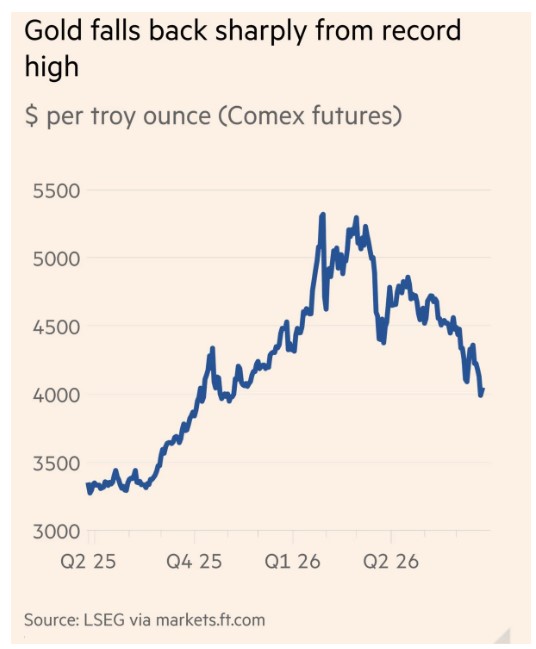
However, the 2nd quarter was the worst quarter for gold in more than 10 years, falling below 4,000 dollars an ounce. And this despite the fact that the geopolitical landscape and inflation favored gold.
Obviously, what makes the difference in favor of the dollar is the depth of the American capital market, liquidity, financing instruments and of course the global confidence of the investment community that contracts will be honored. The architecture of the system, if you prefer.
No other market presents such advantages as the American one. China has capital controls, few trust its judicial system, while political power does not guarantee rights and freedoms.
It is no coincidence that other central banks have preferred to buy gold rather than yuan for years.
In other words, the absence of an alternative option to the dollar also helps perpetuate the hegemony of the American currency and disprove predictions of its death.
Of course, it is not a nice thing for someone to pay annually more than 1 trillion dollars in interest, as the US does, since if interest rates rise the fiscal situation of the US is threatened. A difficult equation, with gold benefiting.